Gardening in a desert climate means rethinking a lot of what you thought you knew about plants. I’ve spent years figuring out what truly works here, and herbs were one of the trickiest puzzles. You often hear that certain herbs love full sun, but full sun in Arizona is a different beast entirely. What I found was, with a few adjustments, a surprising number of herbs not only survive but actually thrive, developing intense flavors you might not get in milder climates.
I used to just plant everything in the sunniest spot, thinking “herbs like sun,” and then wonder why half of them looked scorched by July. It took a few seasons of trial and error, moving pots around, and observing how different plants reacted before I started to understand the nuances of desert herb gardening. It’s not about finding shade-loving herbs; it’s about understanding how much sun a plant can really handle when the thermometer hits 110°F.
The Sun Problem: Understanding “Full Sun” in the Desert

When a plant tag says “full sun,” it usually means 6-8 hours of direct sunlight. In many parts of the world, that’s fine. In the desert, that’s a recipe for crispy leaves and stressed-out plants, especially during the peak summer months. I’ve learned that for most herbs, “full sun” in the desert means morning sun, followed by afternoon shade. This can be tricky to achieve, but it’s crucial.
Afternoon shade is non-negotiable for most herbs here. I’ve used everything from shade cloths to strategically placed larger plants to create pockets of relief. For container herbs, simply moving them to a shadier spot on the patio in the afternoon works wonders. This small change made the biggest difference in keeping my herbs alive and healthy through brutal summers.
Mediterranean Marvels: Herbs That Love the Dry Heat
Many of the herbs we associate with Mediterranean cuisine are naturally adapted to dry, rocky, and well-draining soils. These are often the ones that do best for me in the desert, provided they get that crucial afternoon reprieve from the sun. What I’ve also noticed is that the stress of the drought and heat seems to concentrate their essential oils, leading to more potent flavors and aromas.
Rosemary: A Hardy Perennial

Rosemary is one of my desert champions. Once established, it’s incredibly resilient. It prefers well-drained soil and doesn’t like soggy feet at all. I rarely water my mature rosemary plants once they’re settled in the ground. I’ve seen it grow into substantial shrubs, providing year-round harvests. Just be careful not to over-prune during the hottest months, as this can stress the plant when it’s trying to conserve energy.
Thyme: Ground Cover with Flavor

Thyme is another one that handles the desert well. It spreads nicely, forming a fragrant mat, and the tiny leaves pack a big punch. Like rosemary, it needs good drainage. I’ve had success planting different varieties of thyme as ground cover around larger plants, where it gets a bit of natural shade in the afternoon. It’s a great choice for filling in gaps and adding texture to a herb bed.
Sage: Robust and Resilient
Sage, particularly common garden sage, is a tough plant. It tolerates the heat and dry conditions surprisingly well. I have a few sage plants that have been in the ground for years, and they consistently produce beautiful leaves. They appreciate a bit of space to grow and good air circulation. I’ve found that Spanish lavender, which has similar needs, also does quite well in these conditions, adding a lovely fragrance to the garden.
The Basil Conundrum: A Warm-Season Favorite

Basil is a culinary essential, and it can grow in the desert, but it needs a bit more coddling than its Mediterranean cousins. It loves warmth, but not the scorching midday sun. I’ve learned that basil thrives in a spot that gets morning sun and then distinct afternoon shade. I often grow it in containers so I can move it if needed.
Pinching flower spikes is key for basil. If you let it flower, it tends to put all its energy into seed production and the leaves become less flavorful and tougher. Regular harvesting and pinching encourages bushier growth and a continuous supply of tender leaves. I’ve had good luck with varieties like ‘Genovese’ and ‘Sweet Basil’ when given the right protection.
Short-Season Success: Annual Herbs for Cooler Months
While many herbs struggle in the intense summer, some annuals absolutely shine during the cooler parts of the year – fall, winter, and early spring. These are often the ones I succession plant to ensure a continuous harvest before the heat becomes too much.
Cilantro: The Cool-Season Favorite

Cilantro is a prime example of a cool-season annual. It bolts quickly in the heat, meaning it sends up a flower stalk and goes to seed, making the leaves bitter. I plant cilantro in cycles, starting in the fall and continuing through early spring. It does best with some light shade, even in the cooler months, as this helps delay bolting. I’ve found that planting it under taller plants like peppers or tomatoes gives it just enough protection.
Dill: Fragrant and Self-Seeding
Dill is another fern-like annual that does well in the cooler seasons. It’s fantastic for pickles and potato salads. What I appreciate about dill is how readily it self-seeds. If you let some of the plants go to seed, you’ll often find new dill plants popping up in the same area the following season. It’s a low-maintenance herb that adds a lot of character to the garden.
Arugula: Peppery Greens
Arugula is a fast-growing annual herb that adds a peppery kick to salads. Like cilantro, it prefers cooler temperatures and will bolt quickly once the weather heats up. I plant it in early spring and again in the fall. Regular harvesting of the outer leaves keeps it producing longer. If you let it go, the leaves can become quite tough, so consistent picking is important.
The Importance of Soil and Watering

Good drainage is non-negotiable for almost all herbs, especially those Mediterranean varieties. They simply do not tolerate wet, waterlogged soil, which can lead to root rot. I always make sure my raised beds have excellent drainage, and for containers, I use a high-quality potting mix designed for vegetables and herbs. If I’m planting in native soil, I amend it heavily with compost to improve drainage.
Watering schedules need to be flexible. For in-ground perennial herbs that are established, I water deeply but infrequently, allowing the soil to dry out significantly between waterings. For container herbs and annuals, I check the soil daily, watering when the top inch or two feels dry. It’s a balancing act: consistent moisture without being soggy. I rarely over-fertilize herbs; a good compost amendment once or twice a year is usually plenty. Too much fertilizer can promote lush growth but dilute the flavorful essential oils.
My Go-To Desert Herb List
After years of experimenting, these are the herbs I consistently rely on to thrive in my desert garden:
- Rosemary: Perennial, loves sun but needs afternoon shade in summer, well-drained soil.
- Thyme: Perennial, similar needs to rosemary, great ground cover.
- Sage: Perennial, very hardy, tolerates heat well with afternoon shade.
- Basil: Warm-season annual, needs morning sun, consistent afternoon shade, regular pinching.
- Cilantro: Cool-season annual, prefers light shade, succession plant to extend harvest.
- Dill: Cool-season annual, self-seeds readily, good for pickles.
- Chives: Perennial, onion relative, full to part sun, provides grassy leaves and pretty flowers.
- Marjoram & Oregano: Perennials, do well with afternoon shade, can be invasive so containers are often a good idea.
I’ve also had good luck with lemongrass and bay laurel in spots with consistent afternoon shade. Mint and lemon balm are also perennial favorites but are extremely invasive, so I always keep them in large containers to prevent them from taking over the garden.
Starting Your Desert Herb Garden
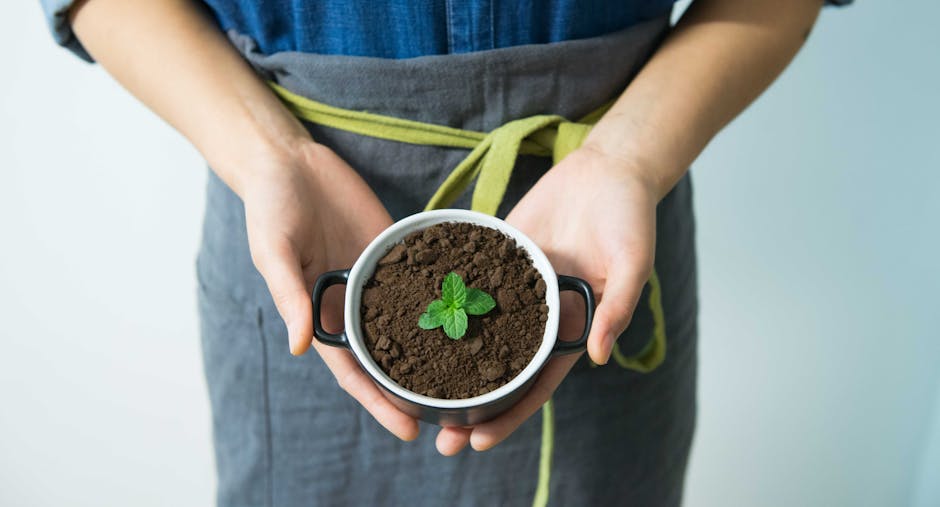
Fall is the best time to plant perennial herbs. This gives them a long, mild season to establish their root systems before the intense summer heat arrives. For annuals, plant them at the beginning of their cool-season window (fall for cilantro, dill; early spring for basil, arugula) and consider succession planting to keep fresh herbs coming.
Start small. I always recommend using at least a gallon-sized container for new perennial herbs; it gives them more root space to get established. And don’t be afraid to move your container herbs around as the seasons change or as the sun shifts. That flexibility is a real advantage in a desert climate. What works for me is observing, adapting, and accepting that some seasons are better than others. But with the right approach, you can absolutely enjoy a flavorful herb garden, even in the desert.


