For years, I struggled with making my patio and garden feel full without looking cluttered. I tried everything from lining pots up on the ground to buying expensive, pre-made stands. What I found was that the best solutions often came from looking at what I already had or building something simple myself. It’s about creating vertical interest and giving your plants the spotlight they deserve, which is where creative garden pots ideas outdoor planter stand designs really shine.
I used to think every pot needed its own saucer, but I learned that grouping plants on a stand with a shared drainage tray can be much more efficient, especially for herbs or strawberries. This approach helps maximize space and keeps things tidy, preventing individual saucers from overflowing. It’s a game-changer for anyone dealing with limited space or just wanting a cleaner look.
Why Vertical Matters: Maximizing Your Green Space

When you’re working with a small patio or balcony, going vertical is truly the only way to make the most of your planting area. I’ve seen friends try to cram too many pots onto a flat surface, and it just ends up looking like a plant graveyard rather than a vibrant display. Vertical planter stands elevate your plants, allowing them to catch more sunlight and creating a dynamic, layered look.
I remember one season trying to grow strawberries in individual pots, scattered across my deck. It was a mess. They didn’t get consistent light, and watering was a chore. Shifting to a tiered stand made all the difference. Not only did the plants thrive, but the whole area felt more organized and inviting. This is where thoughtful garden pots ideas outdoor planter stand designs become indispensable.
DIY Planter Stands: Simple & Inexpensive Solutions
Building your own planter stand might sound daunting, but it’s often simpler and far more affordable than buying one. I’ve made several over the years, and they don’t require advanced carpentry skills. My husband and I once built a two-tiered display stand inspired by a book, using standard pine lumber. It was quick, inexpensive, and perfectly fit our window length.
The Basic Two-Tiered Stand

For a sturdy, functional stand, we used 1×4 inch pine for the shelves and 2×2 inch pine for the legs. The key was pre-drilling holes to prevent the wood from splitting and using a few different screw lengths (1.25-inch, 2-inch, and 3-inch for attaching shelves). We made the taller back shelf first, then attached a shorter front shelf to its front legs. This design creates a staggered display that works wonderfully for various container sizes, from small outdoor plant pots to larger decorative ones.
Key takeaway: Simple lumber and basic tools can create a custom planter stand.
Repurposing Old Items for Unique Planters
Some of the most charming garden elements aren’t bought new; they’re repurposed. I’ve always loved finding new life for old objects, and the garden is a perfect place for this creativity. This is where some truly unique garden pots ideas outdoor planter stand concepts come into play. Think beyond traditional containers and let your imagination run.
Old Dresser Drawers as Planters

One of my favorite projects involved turning an old dresser into a tiered planter. I simply pulled out the drawers, lined them with landscape fabric, and filled them with soil. It created a delightful, rustic look on my porch and provided ample planting space. It’s a fantastic way to give an old piece of furniture a new purpose.
Bicycle Planter Ideas and Garden Art

An old bicycle, painted a vibrant color and fitted with baskets or planters, makes for incredible garden art. You can place smaller planter pots in the baskets or even attach them to the frame. It’s a whimsical focal point that adds personality to any garden space. I saw a neighbor do this with an antique bike, and it instantly transformed a dull corner of their yard.
Garden Chair Planter Ideas
An old wooden chair, perhaps one that’s seen better days, can be charmingly repurposed. Remove the seat and place a sturdy pot right into the opening. You can paint the chair to match your garden’s aesthetic or leave it distressed for a vintage look. It’s a simple yet effective way to add a touch of unexpected charm.
Choosing the Right Plants for Containers
Not all plants thrive equally well in containers. I’ve learned that selecting the right varieties makes a huge difference in the long-term success of your container garden. You want plants that are happy with restricted root space and regular watering.
Hostas: Shade-Loving Container Stars

Hostas are fantastic for containers, especially if you have a shaded patio. They form magnificent fountains of leaves. I always put my hosta pots on feet to deter slugs and snails, which can be a real problem. They do need consistent moisture, but once established, a hosta can live happily in the same pot for years, growing more impressive each season.
Clipped Box: Year-Round Structure
For year-round interest, clipped box is excellent. I grow small pyramids and balls of box in pots. They provide structure and form even in winter. While box moth and blight are concerns, having them in pots allows you to monitor them closely. A gentle clipping around early summer keeps their shape tidy. I’ve found clipping in dull weather prevents scorching.
Japanese Maples: Elegant Container Trees
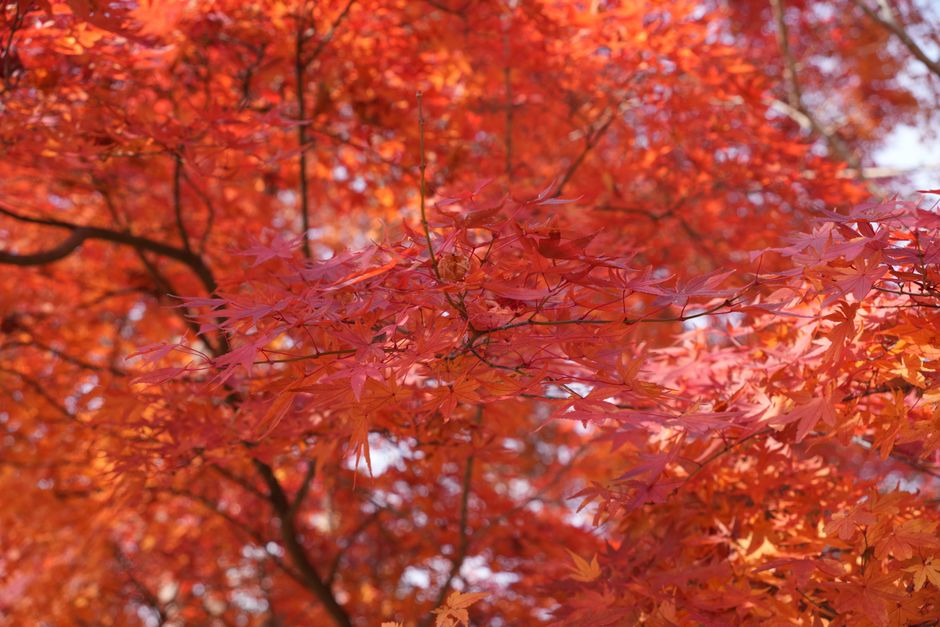
Japanese maples make wonderfully elegant container plants. I once kept a small Japanese maple in a pot for 25 years; it became a beautiful, hefty bonsai. They prefer dappled shade and shelter from strong winds, which can scorch their delicate leaves. Use a soil-based compost for better weight and sustained nutrition.
Rhododendrons: Acid-Loving Beauties
If you have alkaline soil but dream of rhododendrons, growing them in containers is the answer. They demand ericaceous (lime-free) compost. Dwarf varieties, like the Yakushimanum hybrids, can thrive in a decent-sized pot for up to a decade with annual top-dressing. The key is never letting them dry out completely.
African Lilies (Agapanthus): Midsummer Splendor

African lilies are wonderfully statuesque with their strap-like leaves and tall stems of blue or white flowers. While some varieties are tender, many hardy options are now available. They look stunning in pots, especially flanking an entryway. They can stay in their pots for several years, just remember to give them plenty of liquid feed to fuel those gorgeous blooms.
Practical Tips for Outdoor Planter Success

Beyond the creative garden pots ideas outdoor planter stand designs, a few practical considerations will ensure your container garden flourishes. I’ve made mistakes like forgetting drainage or using the wrong soil, and those lessons stuck with me.
- Drainage is Non-Negotiable: Every pot needs drainage holes. If a pot doesn’t have them, drill some. I learned this the hard way with a few waterlogged plants.
- Quality Potting Mix: Don’t skimp on potting mix. A good quality, well-draining mix makes a huge difference. For specific plants like rhododendrons, use an ericaceous mix.
- Regular Watering: Container plants dry out faster than in-ground plants. Check moisture daily, especially during hot, windy weather. Self-watering planters can be a lifesaver for busy gardeners.
- Feeding: Plants in containers deplete nutrients faster. I give mine a liquid feed every few weeks during the growing season.
- Mobility: Using plant stands with wheels or lightweight planters allows you to move plants for optimal sun exposure or to protect them from harsh weather. This is particularly useful for tender plants you might bring indoors for winter.
Embracing the Journey: Your Outdoor Planter Stand
Creating a beautiful outdoor container garden is an evolving process. It’s about experimenting with different garden pots ideas outdoor planter stand configurations, repurposing items, and learning what works best for your specific plants and space. Don’t be afraid to try out an old dresser planter garden idea or a vintage planter idea. The most rewarding gardens are often those that reflect a bit of personal history and creativity.
Start small, observe your plants, and adjust as needed. What works for me might need a slight tweak for your garden, but the principles of good drainage, proper plant selection, and creative display will always hold true. Happy planting!


